Featured
Table of Contents
An essential part of experiencing trauma is really feeling various from others, whether or not the injury was a specific or group experience. Survivors typically believe that others will certainly not totally understand their experiences, and they might believe that sharing their sensations, ideas, and reactions connected to the trauma will fall short of assumptions.
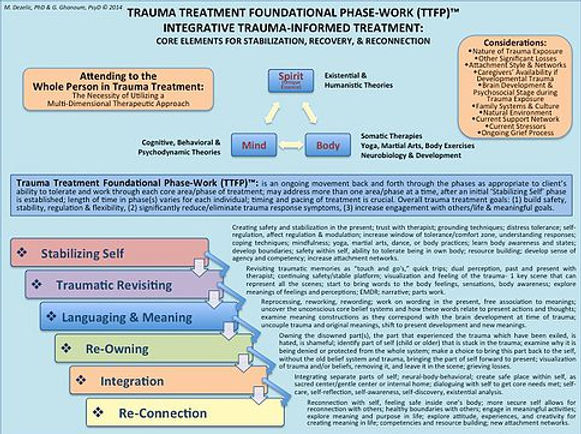
The kind of injury can determine just how a specific feels different or thinks that they are various from others. Injuries that generate pity will typically lead survivors to feel even more alienated from othersbelieving that they are "harmed goods." When individuals believe that their experiences are one-of-a-kind and incomprehensible, they are more probable to look for support, if they seek assistance in any way, just with others who have experienced a similar injury.
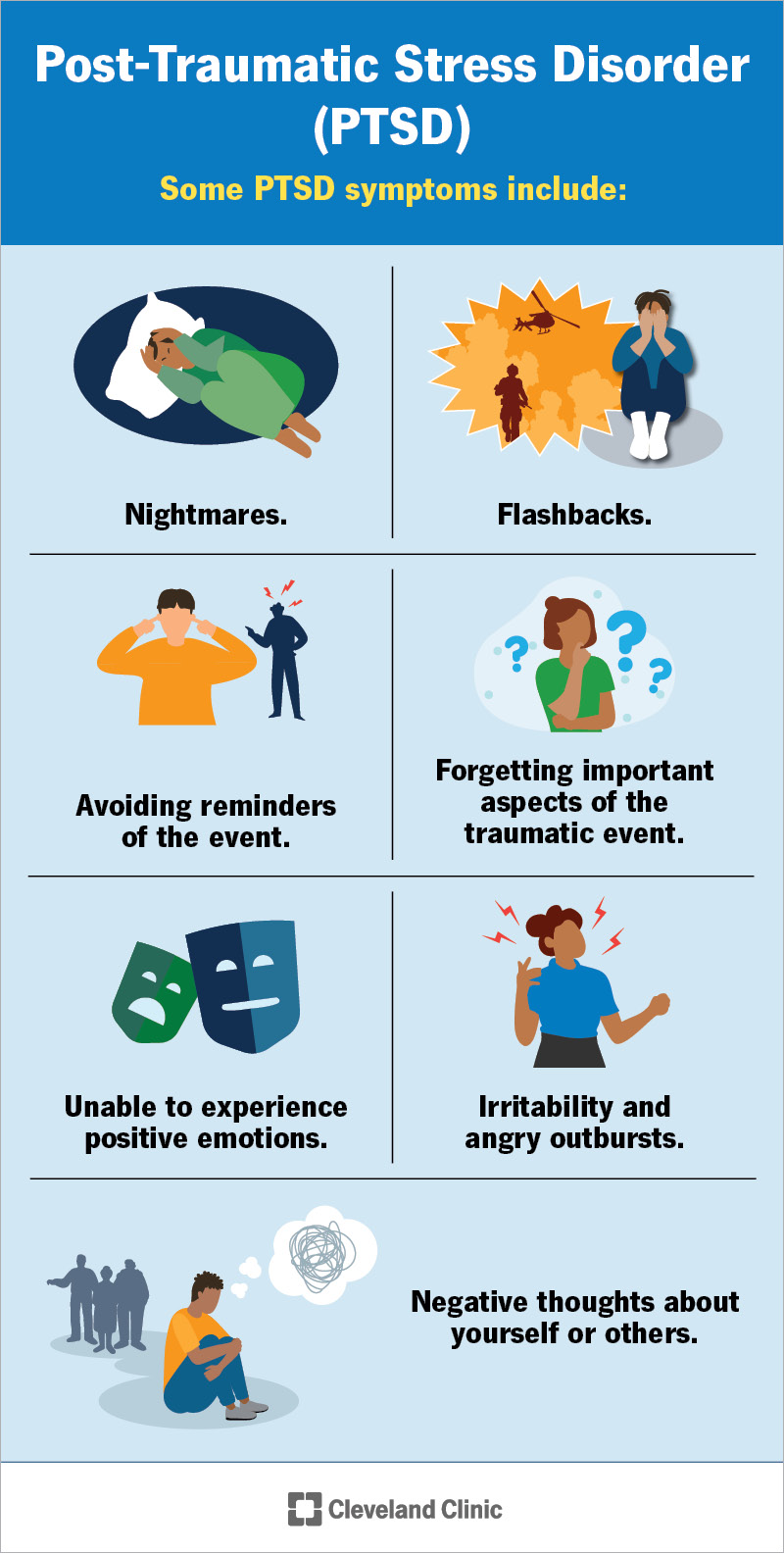
A flashback is reexperiencing a previous stressful experience as if it were in fact occurring in that moment. It consists of reactions that typically look like the customer's responses during the trauma.
Which People Sees Success with Eye Movement Desensitization and Reprocessing & ART Treatment
In some cases, they take place unexpectedly. Various other times, particular physical states boost an individual's vulnerability to reexperiencing a trauma, (e.g., fatigue, high stress degrees). Recalls can really feel like a short flick scene that intrudes on the customer. For instance, hearing a vehicle backfire on a hot, sunny day may be sufficient to cause an expert to respond as if she or he were back on military patrol.
If a customer is caused in a session or throughout some aspect of therapy, aid the client focus on what is taking place in the present moment; that is, use basing methods. Behavior wellness service providers must be prepared to help the client get regrounded so that they can distinguish in between what is happening now versus what had taken place in the past (see Covington, 2008, and Najavits, 2002b, 2007b, for even more grounding techniques).
Later, some customers need to talk about the experience and understand why the flashback or trigger took place. It usually aids for the customer to draw a link in between the trigger and the stressful occasion(s). This can be a preventative technique whereby the client can prepare for that an offered situation puts him or her at greater risk for retraumatization and requires use coping methods, including looking for assistance.
Bilateral Processing during EMDR Sessions
Dissociation is a psychological process that cuts connections amongst a person's ideas, memories, feelings, activities, and/or feeling of identification. The majority of us have actually experienced dissociationlosing the capability to remember or track a particular activity (e.g., reaching work but not bearing in mind the last mins of the drive). Dissociation takes place due to the fact that the individual is taken part in an automated activity and is not taking note of his/her immediate setting.
This is a common sign in distressing anxiety responses. Dissociation aids distance the experience from the individual. People who have experienced extreme or developing trauma might have learned to divide themselves from distress to endure. Sometimes, dissociation can be really pervasive and symptomatic of a mental illness, such as dissociative identity problem (DID; previously referred to as split personality problem).
For example, in non-Western societies, a sense of alternative beings within oneself might be taken being inhabited by spirits or forefathers (Kirmayer, 1996). Various other experiences associated with dissociation consist of depersonalizationpsychologically "leaving one's body," as if enjoying oneself from a range as an observer or via derealization, bring about a feeling that what is happening is unfamiliar or is unreal.
What EMDR Operates in treating Past Trauma through Anxiety therapy
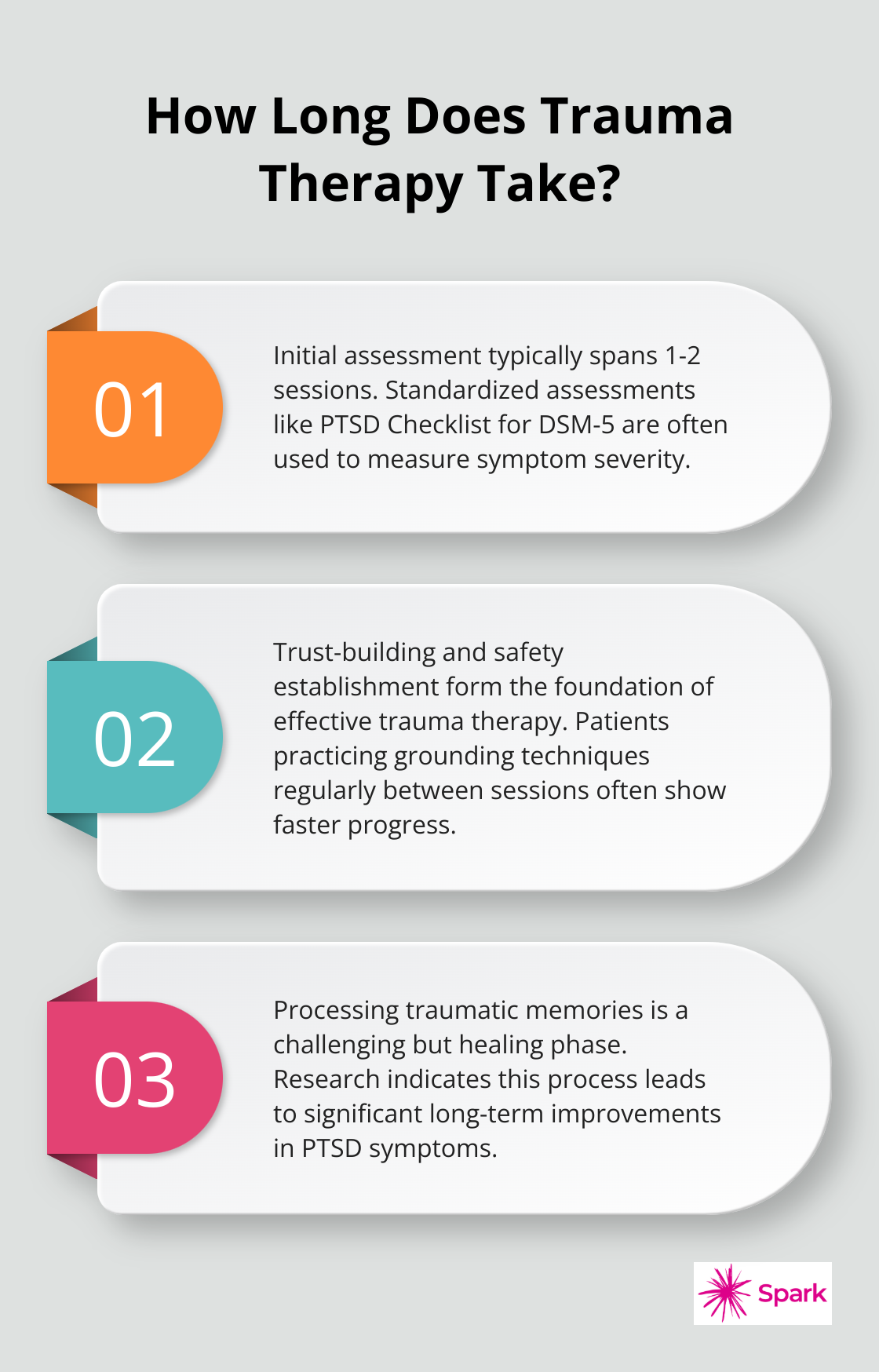
One major lasting repercussion of dissociation is the problem it causes in connecting solid emotional or physical responses with an occasion. Frequently, individuals may think that they are going bananas because they are not in contact with the nature of their responses. By enlightening customers on the resistant top qualities of dissociation while likewise emphasizing that it prevents them from attending to or confirming the trauma, individuals can start to understand the duty of dissociation.
Stressful stress reactions vary widely; typically, individuals participate in actions to handle the consequences, the strength of feelings, or the stressful facets of the stressful experience. Some people lower tension or tension via avoidant, self-medicating (e.g., alcoholic abuse), uncontrollable (e.g., eating way too much), spontaneous (e.g., risky behaviors), and/or self-injurious actions. Others might attempt to get control over their experiences by being aggressive or subconsciously reenacting facets of the injury.
Frequently, self-harm is an attempt to deal with psychological or physical distress that seems overwhelming or to handle an extensive sense of dissociation or being caught, helpless, and "harmed" (Herman, 1997; Santa Mina & Gallop, 1998). Self-harm is related to past childhood sexual assault and other kinds of trauma in addition to chemical abuse.
Common Questions Regarding Eye Movement Desensitization and Reprocessing with Accelerated Resolution Therapy
Increased dedication to a personal objective. Modified priorities. Raised philanthropic giving and volunteerism. Marco, a 30-year-old man, looked for treatment at a neighborhood mental health and wellness facility after a 2-year bout of anxiousness symptoms. He was an active participant of his church for 12 years, but although he looked for assistance from his pastor concerning a year earlier, he reports that he has had no call with his pastor or his church since that time.
He explains her as his soul-mate and has had a difficult time understanding her actions or how he might have avoided them. In the preliminary intake, he discussed that he was the very first person to locate his other half after the suicide and reported feelings of dishonesty, hurt, temper, and devastation since her death.

Table of Contents
Latest Posts
Advanced Developmental Trauma Therapy
Healing Fears through EMDR Therapy through Trauma therapy
Body Reactions throughout Eye Movement Desensitization and Reprocessing Treatment for Anxiety therapy
More
Latest Posts
Advanced Developmental Trauma Therapy
Healing Fears through EMDR Therapy through Trauma therapy
Body Reactions throughout Eye Movement Desensitization and Reprocessing Treatment for Anxiety therapy